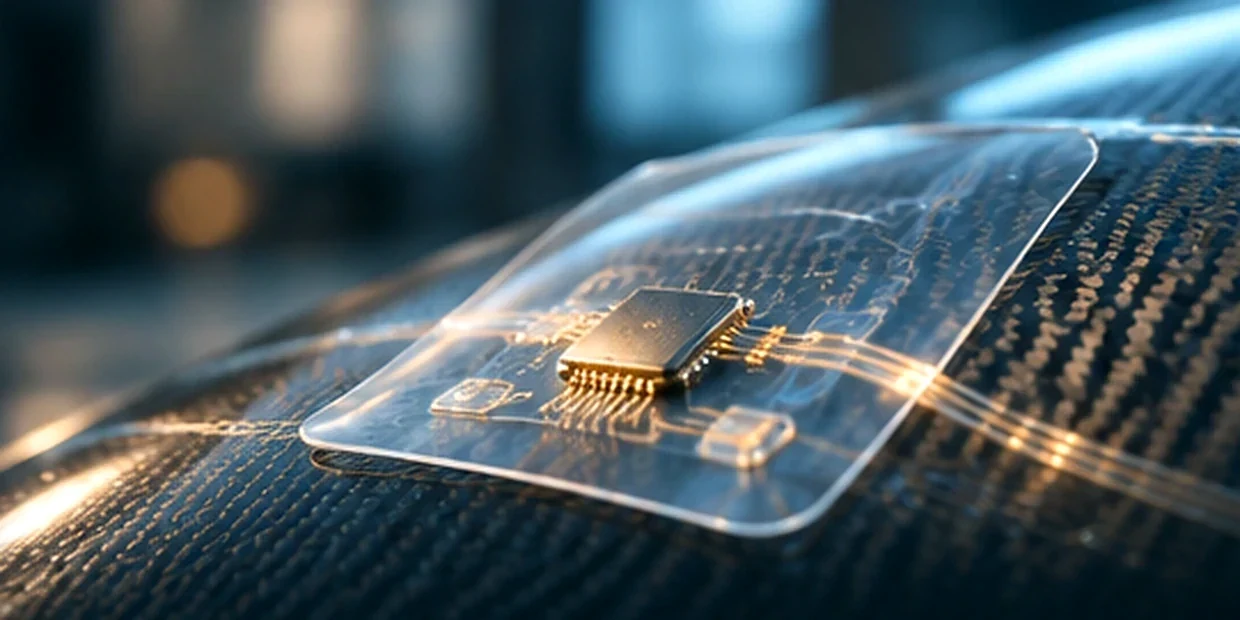
From material to perceptive interface
Soft electrodes, elastomeric layers, microstructured surfaces and encapsulation can create responsive contact interfaces. Depending on architecture, a sensor may rely on capacitive, resistive, piezoelectric, optical or hybrid effects. The result is only useful when the measured signal can be separated from motion artifacts, temperature changes and material drift.
Beyond a robotic fingertip
Electronic skin can cover a robotic hand, prosthetic interface, research wearable, instrument grip or pressure-sensitive input surface. In each case, the sensor geometry and readout requirements differ. A wearable needs comfort and safe skin contact; a robot may need durable shear-force cues; an interface controller may prioritize repeatable interaction over laboratory sensitivity.
The platform opportunity
A company could focus on sensor films, calibrated tactile tiles, flexible interconnects, reusable readout electronics or software that turns raw arrays into useful spatial patterns. Product value comes from making the complete sensing stack manufacturable and interoperable, not from simply placing a glowing graphic on an elastic surface.
Integration reality
Mechanical fatigue, moisture ingress, adhesion, cable strain, cleaning processes and skin compatibility are significant constraints. Different device classes also have very different evidence and regulatory obligations. Concept work must not be mistaken for a cleared therapeutic or clinically validated system.