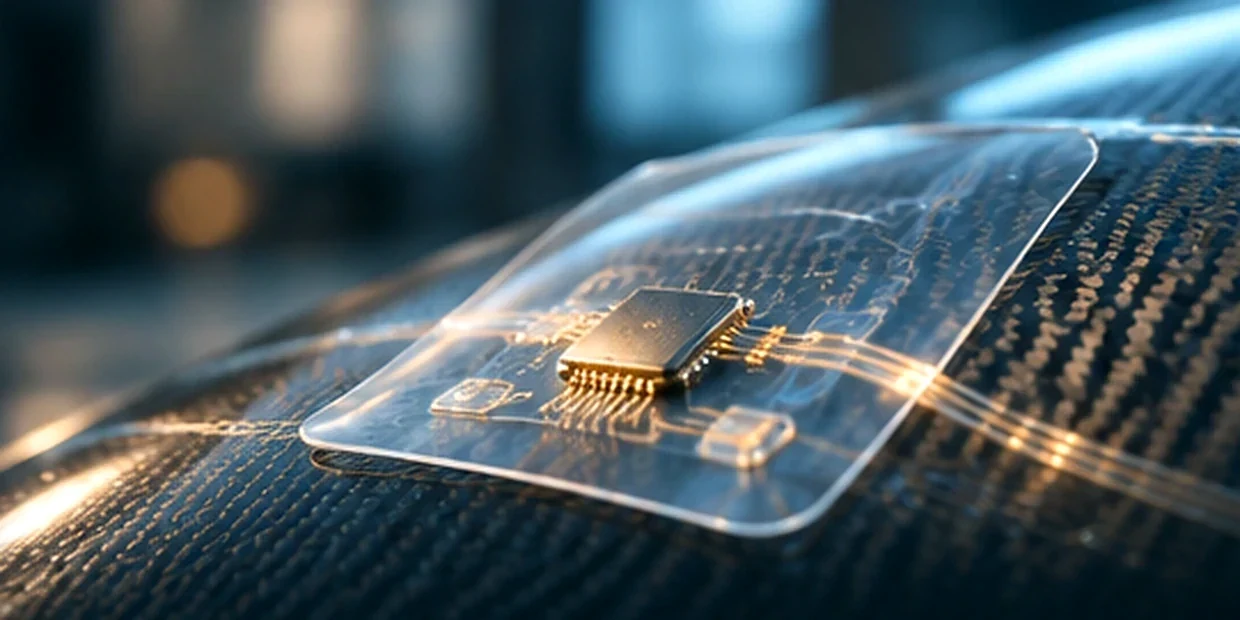
What invisible integration can mean
An embedded sensing package may be inside a gripper, actuator, inspection head, machine cover or process module. The sensor may still be optically visible if exposed for maintenance; the point is functional integration and unobtrusive deployment. The real benefit comes from information arriving where a decision is made.
From contact to control
A robotic cell may combine position, force, vibration, optical and temperature data. Sensors produce observations, but external controllers decide what to do with them. A reliable system needs synchronization, calibration and explicit uncertainty, particularly when fragile workpieces, moving loads or tight tolerances are involved.
Commercial platform options
Opportunities include purpose-built sensor packages, retrofit kits for existing robots, machine-health modules, inspection instrumentation and software for condition awareness. Buyers may be integrators, equipment manufacturers or plant operations teams; each expects serviceability and measured operational benefit rather than an abstract AI claim.
The deployment barrier
Industrial systems require repeatable accuracy across temperatures, electromagnetic noise, shock, contamination and duty cycles. Commissioning time, field recalibration, spare parts and cybersecurity often matter as much as the raw sensor specification. When a measurement is safety-related, the design must satisfy applicable engineering standards and validation requirements.