A quieter observation layer
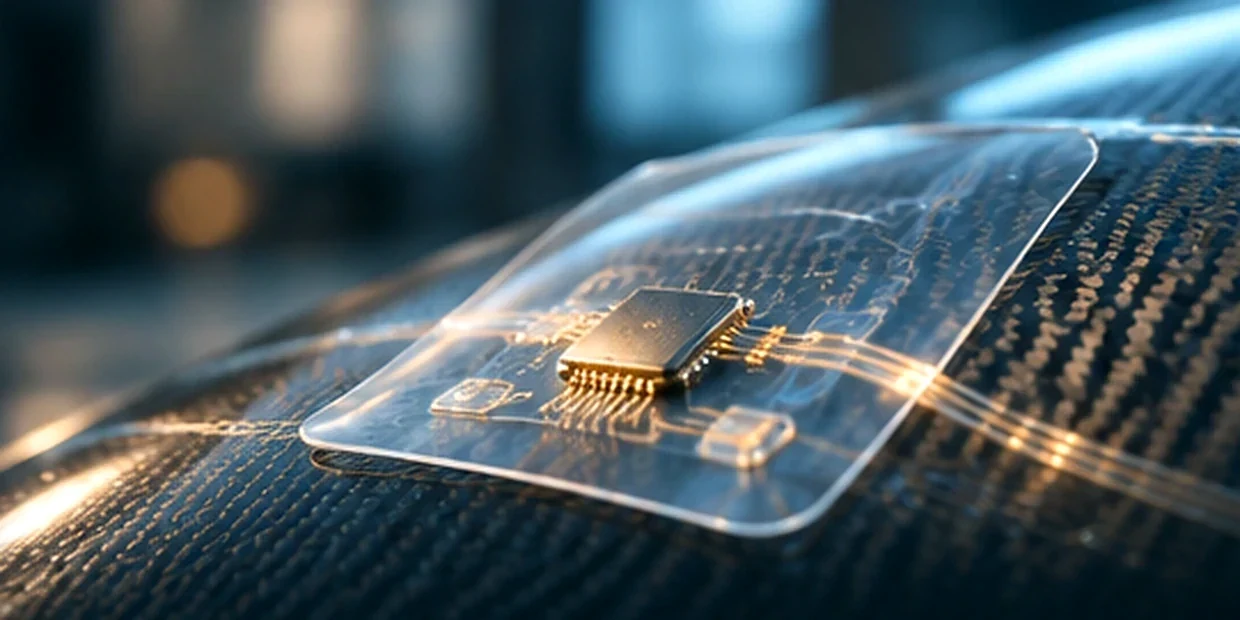
Flexible or transparent sensors may capture leaf-surface temperature, strain-related movement, humidity-adjacent signals or other application-specific indicators. The value lies in sustained observation at the organism interface, where large external instruments may miss local patterns. Optical transparency can matter because blocking light may itself alter the biology being observed.
Biology changes the engineering brief
Plant surfaces shed water, vary in texture and change shape over time. Adhesives, substrates and wiring can influence growth or alter transpiration. A measurement system has to separate real biological change from artifacts introduced by weather, motion, contact pressure and materials aging.
Where the opportunity sits
Research instrumentation, precision agriculture pilots, controlled-environment experiments, ecological monitoring and sensor-materials supply represent different commercial routes. A company might offer non-invasive sensing patches, data-quality workflows, environmental sensor systems or research-grade measurement platforms. These are different buyer budgets and validation standards.
What readiness really means
Laboratory sensitivity is not an agricultural product. Outdoor deployment needs stable calibration, weather tolerance, data connectivity, maintenance plans and economic justification per monitored plant or hectare. Any claims of improved crop outcomes require independent field validation and appropriate measurement controls.