← Application frontiers

GAMING / EXTENDED REALITY / CONSUMER INTERACTION

From gesture to meaningful touch.The physical layer of digital interaction.

An interface becomes more expressive when it can distinguish an intentional press, contact location, deformation or grip from a visible hand gesture. Pressure-sensitive controls, wearables, sensorized gloves, interactive furniture and game accessories can expand human–machine interaction. Haptic output and tactile sensing, however, are complementary technologies, not the same function.

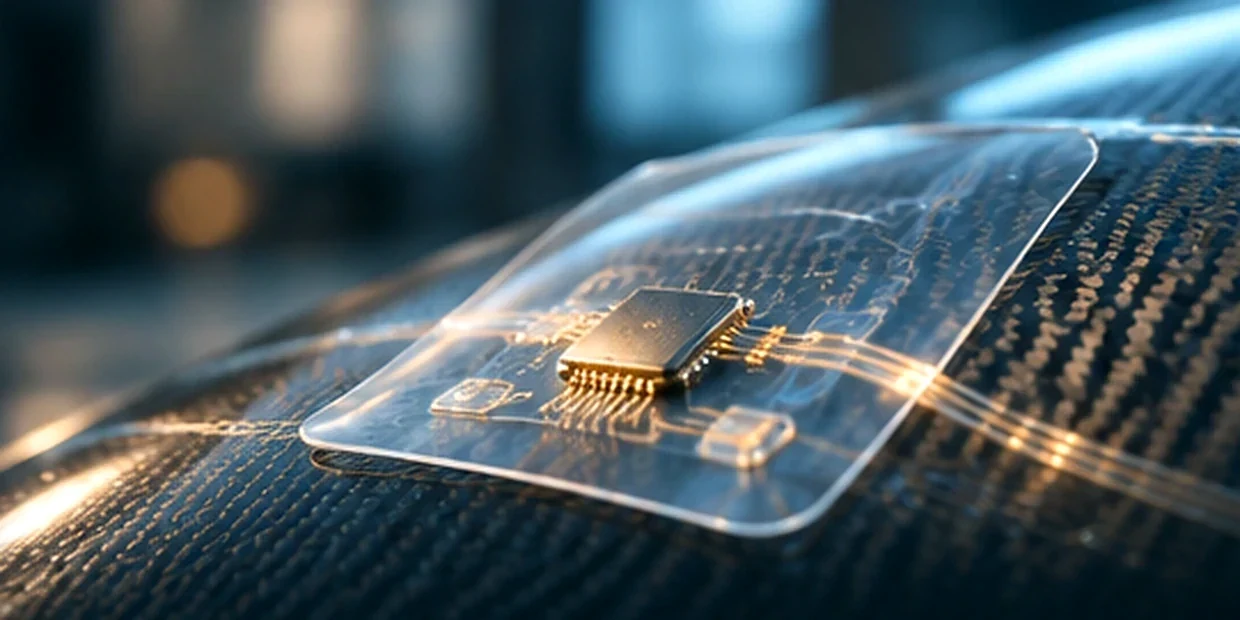
Conceptual flexible electronic sensing layer suitable for pressure-sensitive interfaces and wearables
Illustrative category image · not a specific commercial product

WHAT THE SIGNAL MEANS

Measurement first.
Useful intelligence follows.

An interface becomes more expressive when it can distinguish an intentional press, contact location, deformation or grip from a visible hand gesture. Pressure-sensitive controls, wearables, sensorized gloves, interactive furniture and game accessories can expand human–machine interaction. Haptic output and tactile sensing, however, are complementary technologies, not the same function.

Established: touch and pressure interfaces, game controls and basic wearables. Developing: richer wearable force feedback and multimodal XR.

INPUTContact location, pressure and movement
FEEDBACKHaptic actuation is a separate system function
EXPERIENCEComfort, latency, repeatability and access

ENGINEERING AND APPLICATION

Where it works.
Where it must prove itself.

Each sensing discipline has a distinct measurement stack, operational setting and commercialization test.

Why sight alone is insufficient

Hand tracking can estimate pose in space; force or pressure sensing can register an actual squeeze, button press or load against a surface. Combining inputs can reduce ambiguity in interactions, but optical tracking and physical sensors often work best together.

Wearable controllers and surface interaction

Sensorized gloves, wrist-worn interfaces, game controllers, pressure mats and responsive furniture represent plausible product directions. Each needs user intent interpretation and protection against false activations and fatigue.

Sensing versus haptics

A sensor measures an interaction; a haptic actuator generates a sensation. Rich immersive systems may need both, with careful synchronization between touch signals, visuals and feedback. A high number of pressure sensors alone does not create realistic force feedback.

Who builds and what must work

Consumer interface OEMs, XR accessory teams, gaming hardware manufacturers and accessibility designers need reliability, battery life, compatibility, calibration and affordable manufacturing. Low latency and comfortable long-duration wear can matter more than an impressive laboratory sensitivity.

COMMERCIAL CONTEXT

Potential buyers.
Specific operating needs.

Consumer hardware designers · Immersive interface companies · Accessibility equipment makers

Technical maturity

Established: touch and pressure interfaces, game controls and basic wearables. Developing: richer wearable force feedback and multimodal XR.

What a buyer funds

Reliable measurement, integration, validation and deployment support—not a sector label.

Independent identity

InvisibleSensors.com is a domain offering, not an operating manufacturer or equipment supplier.

INDEPENDENT TECHNICAL CONTEXT

Traceable principles.
Appropriate claims.

References support the application principles. No affiliation, product endorsement or clinical performance is implied.

DOMAIN ACQUISITION

InvisibleSensors.com

A premium digital identity available for strategic acquisition across advanced sensing and physical intelligence.

Submit a private enquiry ↗